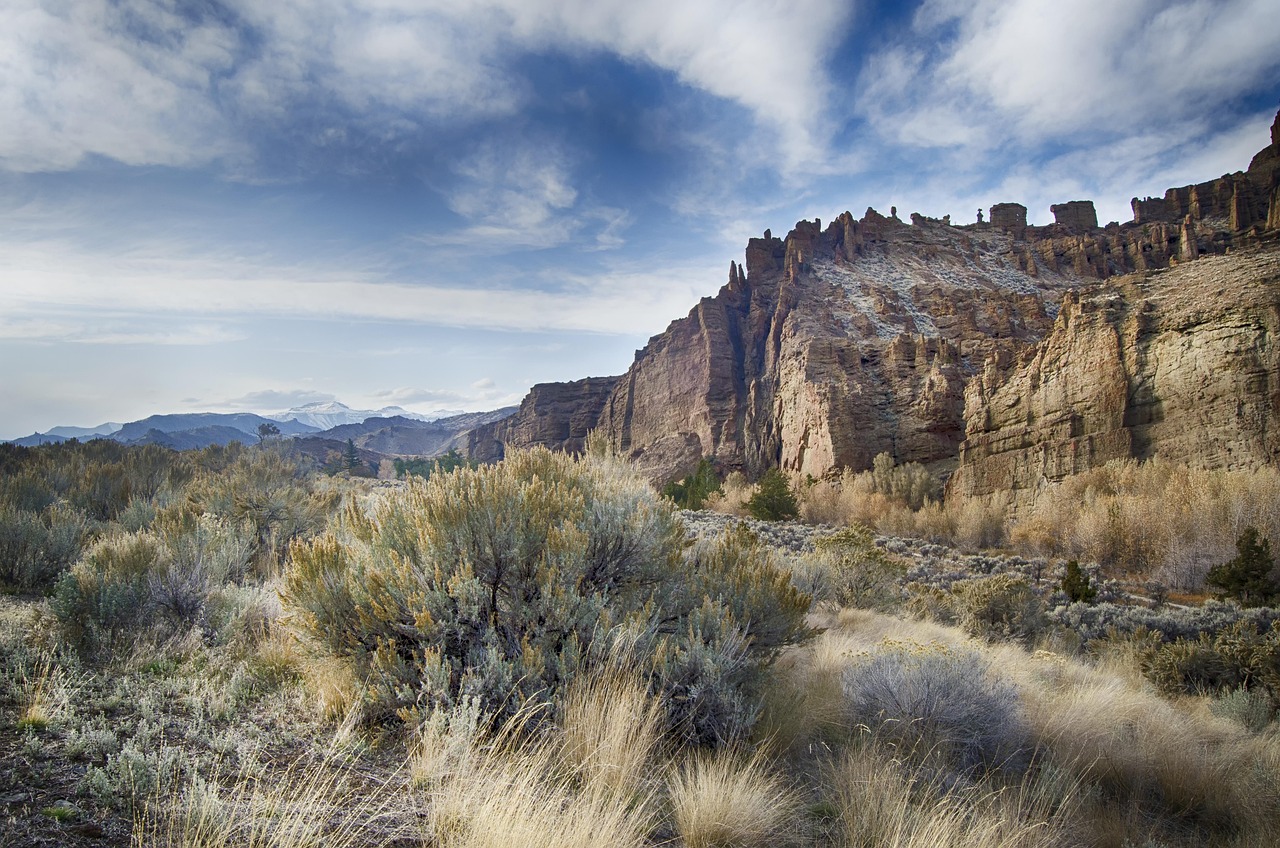
Lamar Valley
America's Serengeti, best at first light
⏱ Half day (dawn or dusk)👤 All ages$
Get Tickets
Get Lamar Valley Tickets
Skip the line · mobile tickets accepted at the door
The 1995 wolf reintroduction turned Lamar into the world's premier wild-wolf observatory — the valley's packs are the most-watched wolves on earth, and the restoration's cascading effects (elk behavior, willow recovery, beaver return) became ecology's most famous case study. For the visitor the mechanics are wonderfully simple: a two-lane road runs the valley floor between Tower Junction and the Northeast Entrance, pullouts string the length of it, and the protocol is dawn — arrive in the gray light, drive slowly, and stop where the scopes cluster. The wolf-watcher community (regulars with radios, researchers, guides) tracks the packs daily and shares generously; a "wolf jam" of parked scopes is the signal worth more than any app.
The supporting cast carries any hour: Yellowstone's largest bison herds blanket the flats (the August rut — bellowing, dust, head-slamming bulls — is the hemisphere's best free rodeo), pronghorn run the benches, elk graze the margins, grizzlies dig the slopes in spring and fall (100-yard rule, no exceptions), river otters work the Lamar River, and bald eagles decorate the cottonwoods. Bring or borrow optics — binoculars minimum, a spotting scope transforms it — and layers for valley dawns that run 20 degrees below town. Guided options multiply success: Gardiner and Cooke City outfitters (and institute programs) run dawn safaris with scopes, radios, and the day's pack locations.
Logistics make Lamar the connoisseur's corner: it's far from the geyser circuit (90 minutes from Canyon, more from Old Faithful), so base nights in Gardiner, Cooke City, or Mammoth serve it best; the northern road stays plowed all winter — wolf watching peaks December-March when packs hunt in daylight against snow — and the valley holds the park's darkest skies for the star layer. Rules are survival-grade: 25 yards from bison and elk, 100 from bears and wolves, never between a bison and anywhere it might want to be. The valley doesn't do fences; that's the entire point.
What to Expect
Format
A broad roadside wildlife valley — wolf packs at dawn/dusk from scope pullouts, massive bison herds, grizzlies on the edges, pronghorn and eagles throughout. Open year-round via the park's all-season northern road.
Best Time
Dawn, non-negotiably — first light is the wolf window. August for the bison rut; winter (Dec-Mar) for wolves hunting in daylight against snow.
Duration
A dawn half-day with drive time from Gardiner or Cooke City; repeat visits compound luck.
Tips
Arrive in gray light and stop where the spotting scopes cluster — the regulars share views and intel. Binoculars minimum, scope ideal, layers mandatory. 100 yards from wolves and bears, 25 from bison — and never between a bison and its herd. Fuel up; there's nothing in the valley, which is the point.
⚡ Quick Picks
Best For
Wildlife-first travelers — this is the best free safari in the Americas.
Families
Kids with patience and binoculars get bison guaranteed and wolves possible; the car is the blind.
Couples
A thermos dawn among the scopes, then breakfast in Cooke City — the park's quietest romance.
Pair With
Mammoth Hot Springs on the same northern loop, or a guided dawn safari from Gardiner.
Time Needed
One dawn minimum; two doubles the wolf odds.
Ready to book Lamar Valley?
Get Tickets →Frequently Asked Questions
Will we actually see wolves?
Odds are real but not promised — dawn visits in winter and spring run strongest, and parking where the scope crowd gathers borrows their tracking. Guided dawn tours with scopes and radios roughly double success.
What's guaranteed?
Bison — Lamar holds the park's great herds year-round — plus pronghorn, elk, and raptors. Grizzlies are regular spring-fall; badgers, otters, and coyotes freelance.
How far is it from the geysers?
Far — about 90 minutes from Canyon, more from Old Faithful. Treat it as its own half-day from a northern base (Gardiner, Mammoth, Cooke City) rather than a drive-by.
Is it really open in winter?
Yes — the Gardiner-to-Cooke City road is the park's one all-season drive, and winter is prime wolf watching: packs hunt in daylight and read like ink on the snow.
What are the distance rules?
25 yards from bison, elk, and everything else; 100 yards from wolves and bears — federal law and survival advice in one. Lamar's animals are genuinely wild; the valley has no fences anywhere.
More Yellowstone Attractions
Browse all →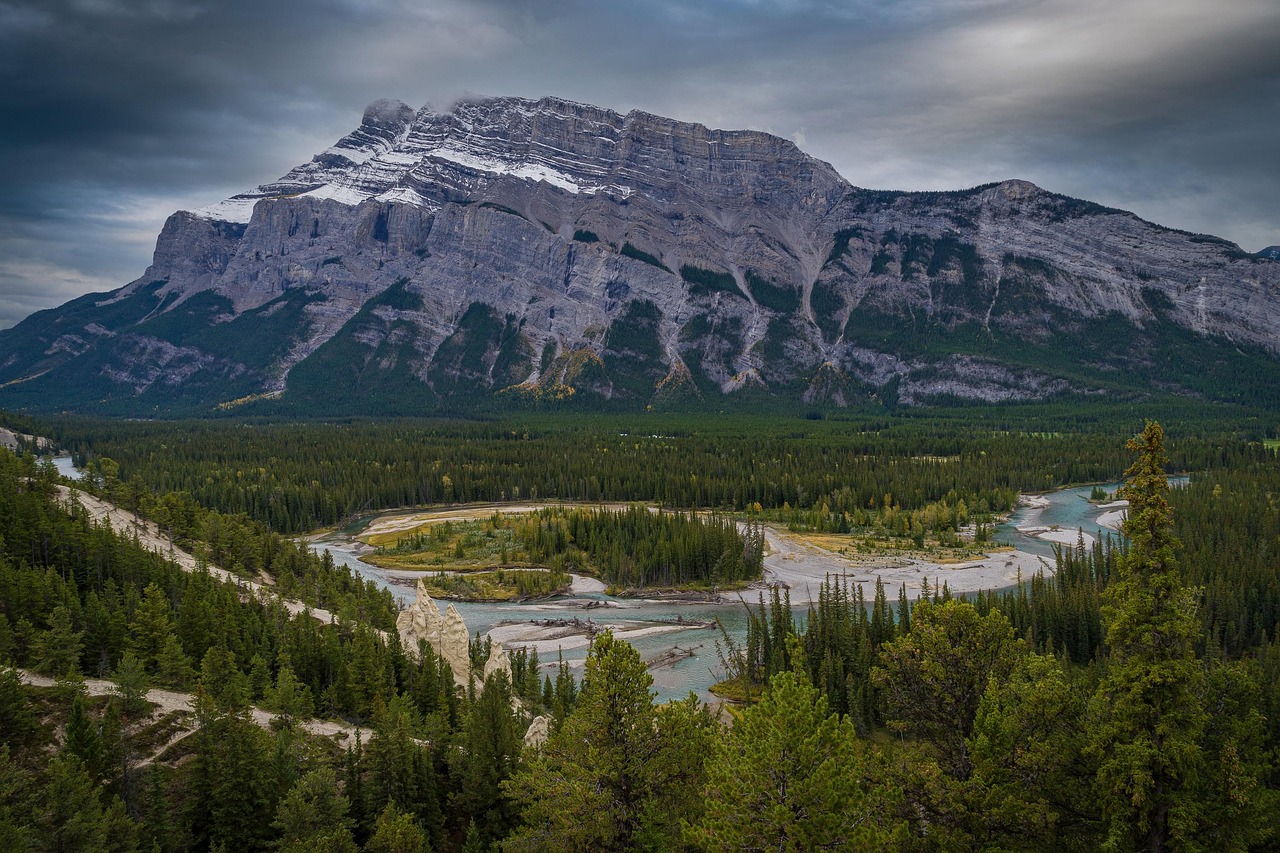
Hayden Valley
The park's central wildlife stage — vast grasslands on the Yellowstone River between Canyon and the lake, where bison jams are a daily ritual, grizzlies cross at dawn, and every pullout is a scope's-length from the show.
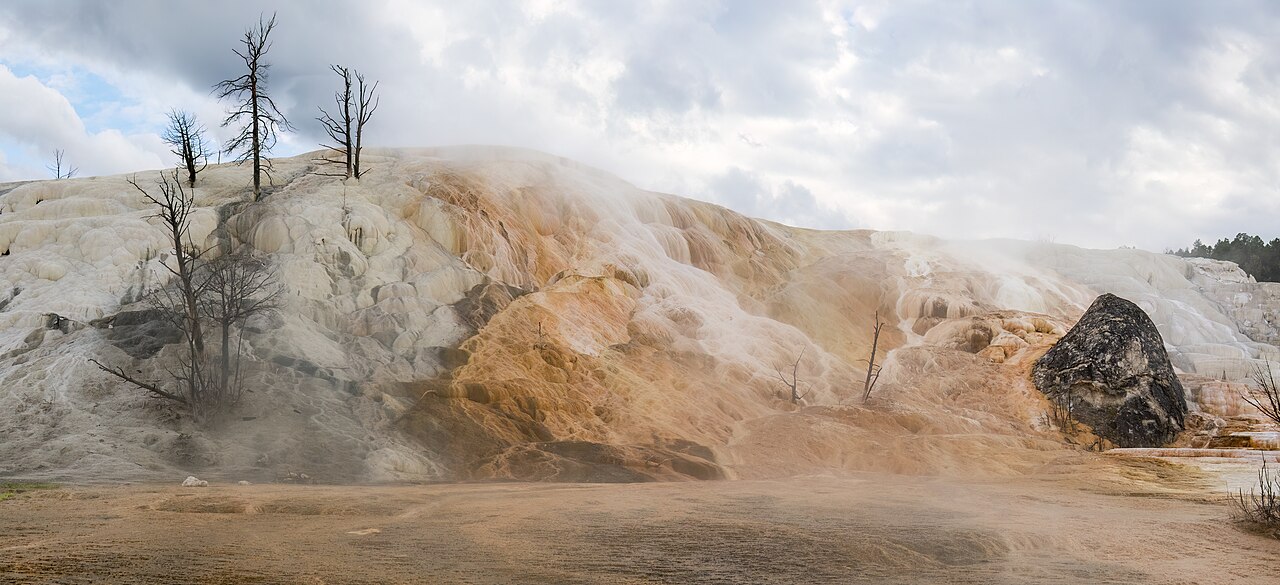
Mammoth Hot Springs
A mountain turning itself inside out — travertine terraces of white, cream, and burnt orange cascading like a frozen waterfall, with elk lounging on the historic fort's lawns below and boardwalks climbing the living rock.
Yellowstone Wildlife Safaris
Dawn in Lamar with a biologist, scopes, and the radio net — guided safari days that convert hope into sightings: wolves located, grizzlies glassed, and the park's ecology narrated mile by mile. The single best spend for wildlife-first trips.