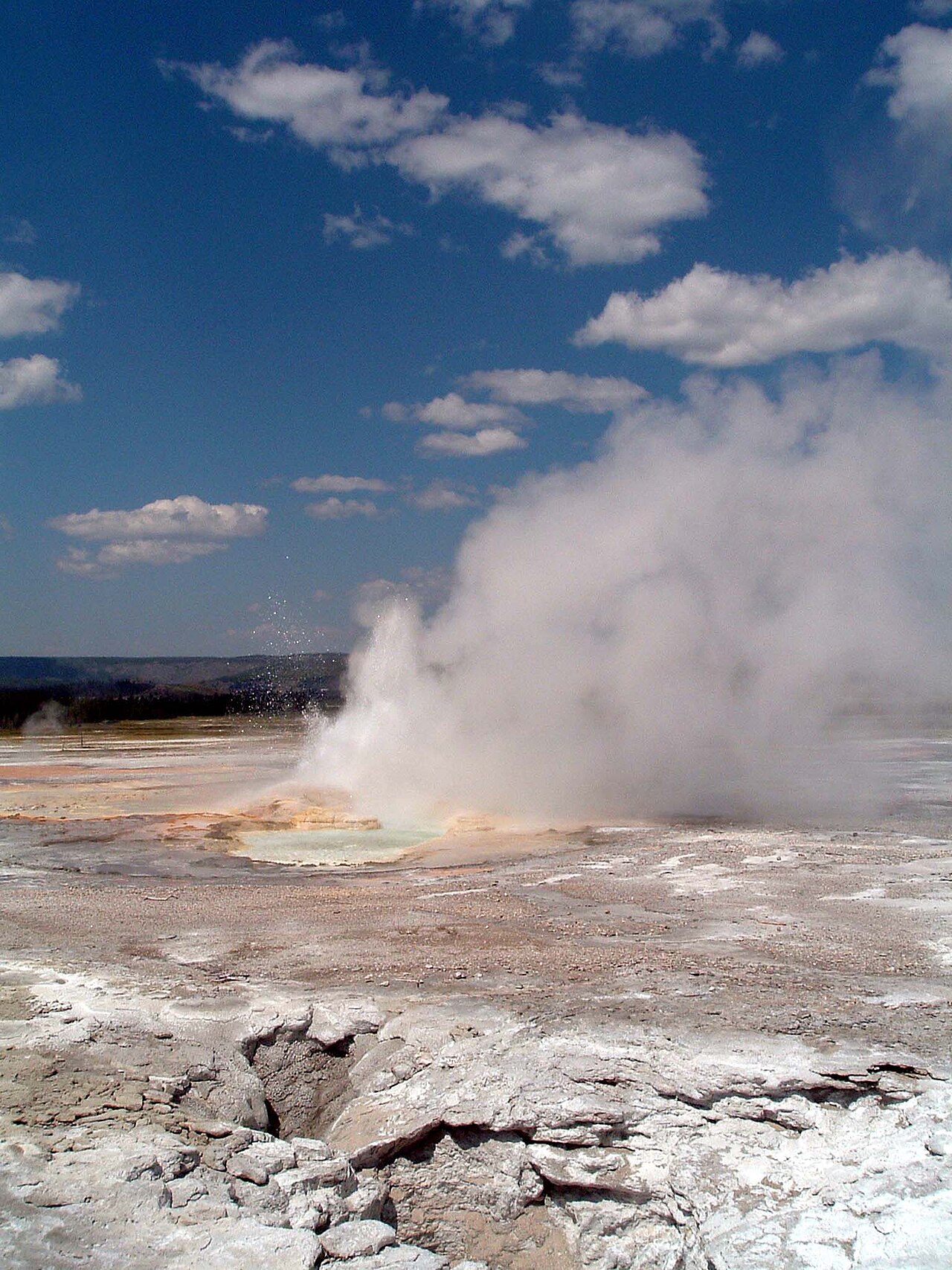
Beartooth Highway
The top of the world, on the way to Lamar
⏱ 3-4 hours one way👤 All ages$
Get Tickets
Get Beartooth Highway Tickets
Skip the line · mobile tickets accepted at the door
The engineering is Depression-era audacity: completed in 1936, the highway stitches 68 miles between Red Lodge and Cooke City over the Beartooth Plateau — the largest contiguous alpine landmass in the lower 48 — via switchback stacks (the Red Lodge side's hairpins climb 5,000 feet in 25 miles) that read like contour-line art. Above treeline the world goes arctic: tundra meadows that bloom furiously in July, permanent snowfields where summer skiers hike (the Beartooth Basin summer ski area operates into July most years), hundreds of cirque lakes stitched below the overlooks, and the air of 10,947-foot Beartooth Pass — the highest highway elevation in the Northern Rockies — thin enough to feel.
The ritual stops southbound from Red Lodge: the Rock Creek Vista's canyon overlook (the warm-up), the switchback pullouts stacking the valley below, the Top of the World store (coffee at 9,400 feet, the only services up there), Beartooth Pass summit's tundra walks and August snowball fights, the Bear's Tooth spire itself (the fang that names the range), gem-colored Island and Beartooth Lakes with their campgrounds and trailheads, and the descent past Clay Butte's fire-lookout spur (drivable gravel, panorama payoff) into the Clarks Fork country and Cooke City's two-street charm at the park's back door. Mountain goats work the snowline, marmots own every rockpile, and moose haunt the willow flats of the lower switchbacks.
Practicals: open roughly late May to mid-October — and "open" is provisional; the pass takes snow in any month (August squalls are a tradition), so check the Montana/Wyoming DOT reports morning-of. Fuel in Red Lodge or Cooke City (nothing between but Top of the World's basics), carry layers for a 30-40 degree summit drop, give the altitude its respect, and allow three hours minimum — the drive could be done in two and shouldn't be. As a Yellowstone strategy: enter or exit the park this way once, pairing the Beartooth with a Lamar Valley dawn or dusk — the two together are the best single day in the region that most itineraries never find.
What to Expect
Format
A 68-mile seasonal alpine highway over 10,947-foot Beartooth Pass — switchback stacks, tundra wildflowers, glacial lakes, summer snowfields, and mountain goats, ending at Yellowstone's northeast entrance.
Best Time
July for peak wildflowers and (relatively) settled weather; late June for maximum snowbanks; September for golden tundra. Mornings beat the afternoon thunderstorm pattern.
Duration
Three to four hours one way with the stops it demands; it's a destination, not a shortcut.
Tips
Check pass status morning-of — snow closes it in any month. Fuel at both ends; layers for a 35-degree summit drop. Stop at Top of the World for the stamp-collector coffee. Pair the drive with Lamar Valley through the northeast gate — the region's best single day.
⚡ Quick Picks
Best For
Drivers who collect great roads — this is the one the others are measured against.
Families
August snowball fights at the pass and marmot-spotting make the switchbacks worth the "are we there."
Couples
Tundra wildflowers at 10,000 feet, then dinner in Cooke City — remote romance, paved.
Pair With
Lamar Valley via the northeast entrance — the drive deposits you at the park's wildest gate.
Time Needed
A half day one way.
Ready to book Beartooth Highway?
Get Tickets →Frequently Asked Questions
When is it open?
Roughly Memorial Day through mid-October, weather permitting — and the pass takes snow in any month, so check Montana/Wyoming DOT status the morning you drive it.
Is the driving scary?
It's a well-engineered paved highway with guardrails and generous pullouts — dramatic, not dangerous, driven patiently. Afternoon storms and August ice are the real variables; mornings behave best.
How does it fit a Yellowstone trip?
As the scenic approach: Red Lodge over the pass to Cooke City puts you at the northeast entrance beside Lamar Valley — the greatest drive in America delivering you to the best wildlife valley in it.
Are there services up top?
Only the Top of the World store's coffee-and-basics at 9,400 feet — fuel and meals live at Red Lodge and Cooke City on the ends. Tank up before climbing.
Why "Beartooth"?
For the Bear's Tooth — the black granite fang visible from the highway's Wyoming stretch. The plateau it crosses is the largest alpine landmass in the lower 48.
More Yellowstone Attractions
Browse all →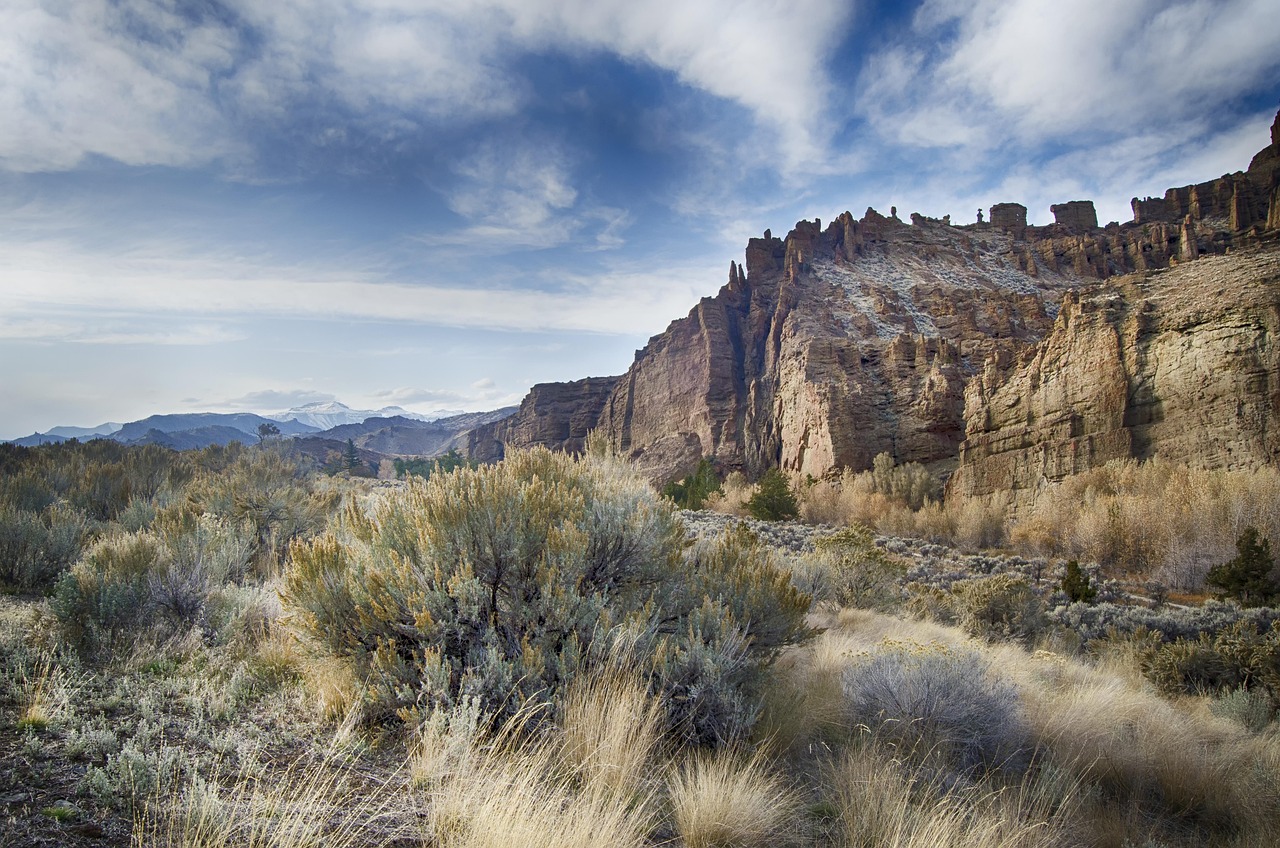
Lamar Valley
America's Serengeti — the broad northeast valley where wolf packs hunt, bison herds blanket the flats, grizzlies work the edges, and dawn with a spotting scope is the best wildlife show in the hemisphere.
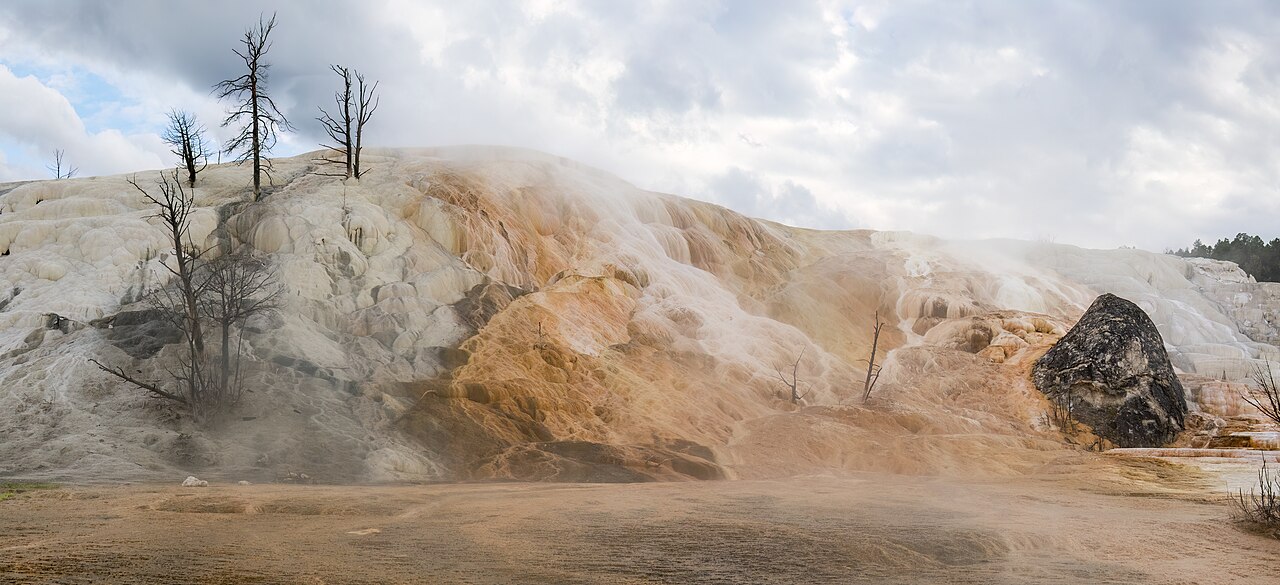
Mammoth Hot Springs
A mountain turning itself inside out — travertine terraces of white, cream, and burnt orange cascading like a frozen waterfall, with elk lounging on the historic fort's lawns below and boardwalks climbing the living rock.
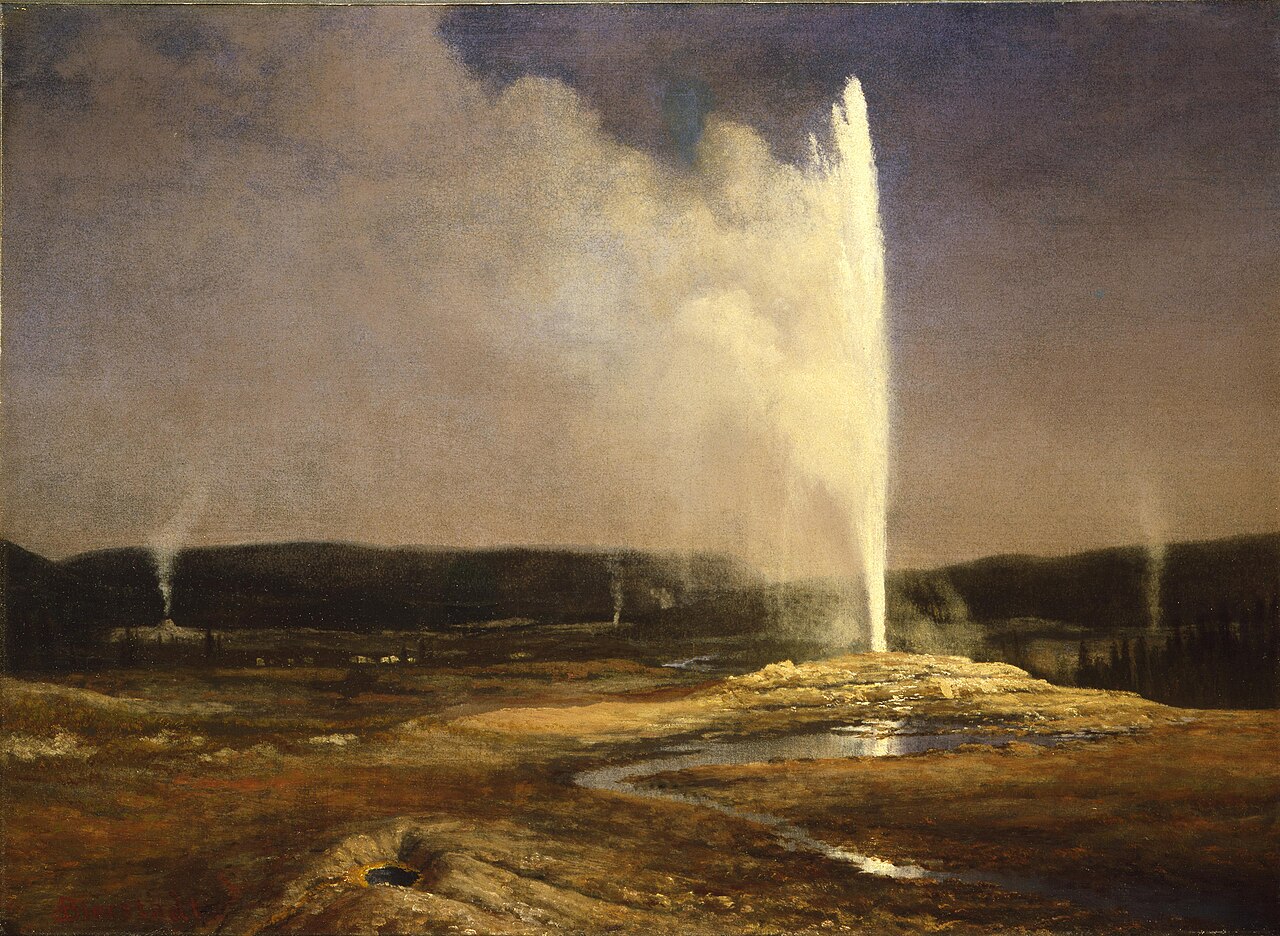
Buffalo Bill Center of the West
The Smithsonian of the West — five world-class museums under one Cody roof: Buffalo Bill's legend, Plains Indian life, Western art, Yellowstone's natural history, and the planet's most comprehensive firearms collection. Two-day ticket, needed.