
Tower Fall and Calcite Springs
A 132-foot ribbon of water in the northern park
⏱ 45 minutes👤 All ages$
Get Tickets
Get Tower Fall Tickets
Skip the line · mobile tickets accepted at the door
The waterfall is the draw, and the walk to it is gentle. From the parking area a short, paved path leads to the viewing area, where the creek plunges over a lip of rock into a narrow gorge, flanked by the hardened volcanic spires from which the fall takes its name. Spring and early summer are best, when snowmelt makes the creek full and the spray is heaviest. By late summer the flow thins, but the setting still holds up.
Give the surroundings a little time. Calcite Springs Overlook, reached by a short drive along the river, shows the canyon from above: a wall of tall basalt columns, sulphur-yellow stains and thin streams of steam where hot water seeps through the rock. It is a quieter, stranger place than the waterfall and a good reminder that the Yellowstone River canyon is volcanic all the way through. The general store at Tower Junction offers supplies, and Roosevelt Lodge, a short drive away, is a rustic, old-fashioned place for a meal, with a western feel that suits the area.
Plan around the seasons. The Tower-Canyon road over Dunraven Pass opens in late spring and closes before winter, so confirm road status before you drive it; Tower-Roosevelt itself is on the northern route that serves Mammoth, Lamar Valley and Cooke City. Go early or late for easier parking and better wildlife, and stay behind the barriers at viewpoints, since the cliff edges are unforgiving. Fit: first-timers, photographers, families with older children and anyone who wants an easy scenic stop in the northern park. If you are building a northern-range day, a sensible order is Mammoth in the morning, Tower Fall and Calcite Springs at midday, and Lamar Valley for the evening wildlife hours, with a meal at Tower Junction or Roosevelt in between. Carry water and snacks, because services in this part of the park are limited, and remember that cell coverage is patchy, so download directions before you leave town.
What to Expect
Format
A short walk to a viewing platform for a 132-foot waterfall, plus the Calcite Springs Overlook above the Yellowstone River canyon.
Best Time
Late spring and early summer for the strongest flow; early morning for light and wildlife.
Duration
Thirty to sixty minutes for both stops.
Tips
Stay behind barriers at the overlooks, bring a layer, and check road status for Dunraven Pass, which is seasonal.
⚡ Quick Picks
Best For
A graceful waterfall and a volcanic canyon view on the northern loop.
Families
A short paved walk and a big payoff; keep children behind the railings.
Couples
Calcite Springs at golden hour, then dinner at Roosevelt Lodge in season.
Pair With
Lamar Valley, Mammoth Hot Springs and Mount Washburn.
Time Needed
About an hour.
Ready to book Tower Fall?
Get Tickets →Frequently Asked Questions
How tall is Tower Fall?
The fall drops 132 feet in a single ribbon, flanked by eroded volcanic spires.
Is it a long walk?
No. A short path from the parking area leads to the viewing platform.
What else is nearby?
Calcite Springs Overlook, the Tower Junction general store, Roosevelt Lodge in season and the Lamar Valley a short drive east.
Can we drive here in winter?
The Tower-Canyon road over Dunraven Pass is seasonal and closes to cars before winter. Tower-Roosevelt lies on the northern road that links Mammoth and Lamar Valley; check the park's road status for current access.
Is there wildlife?
Often. Bighorn sheep, black bears, bison and elk all use the area around Tower-Roosevelt. Keep 25 yards from most animals and 100 yards from bears and wolves.
More Yellowstone Attractions
Browse all →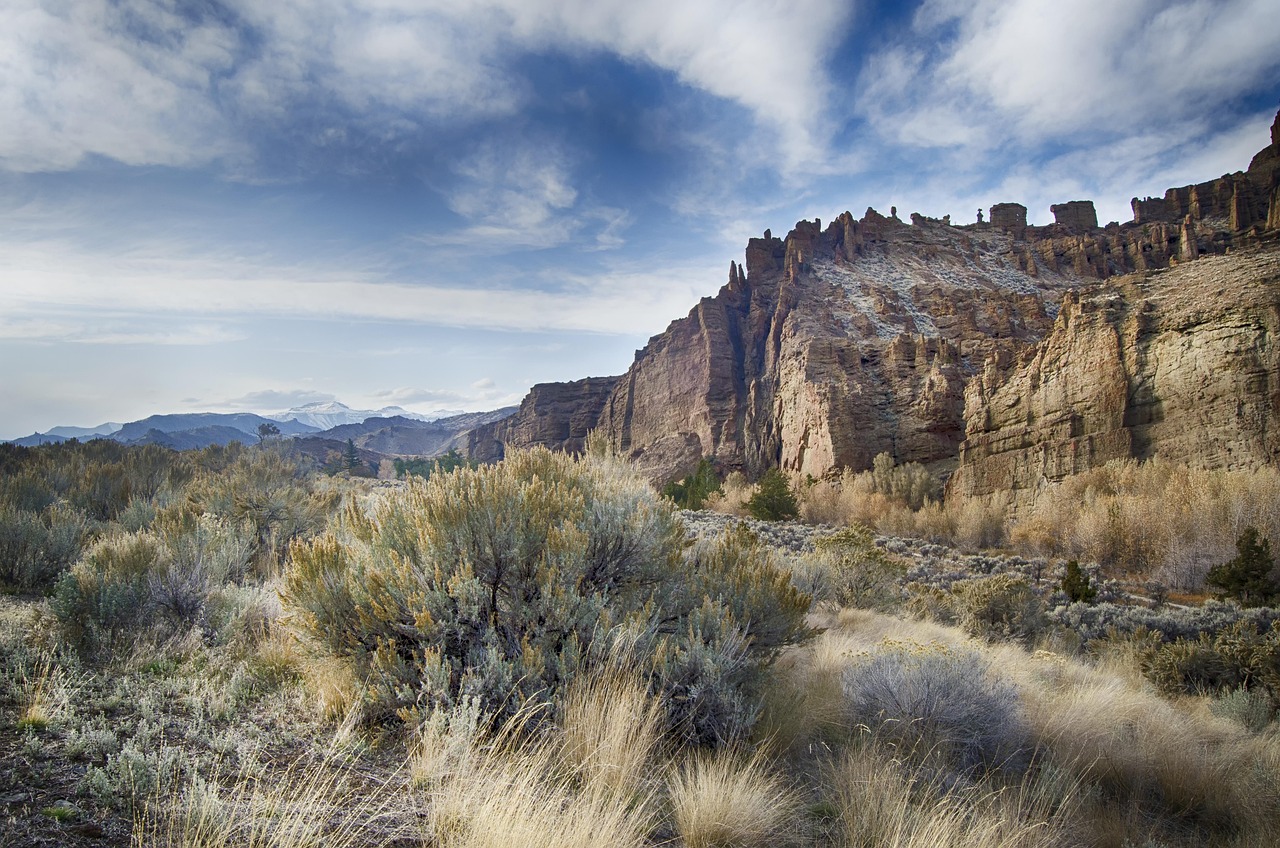
Lamar Valley
America's Serengeti — the broad northeast valley where wolf packs hunt, bison herds blanket the flats, grizzlies work the edges, and dawn with a spotting scope is the best wildlife show in the hemisphere.

Mount Washburn Trail
Yellowstone's classic summit hike: three miles up from Dunraven Pass to a fire lookout at 10,243 feet, with wildflower meadows, bighorn sheep and a view over the caldera, the canyon and on clear days the Tetons.
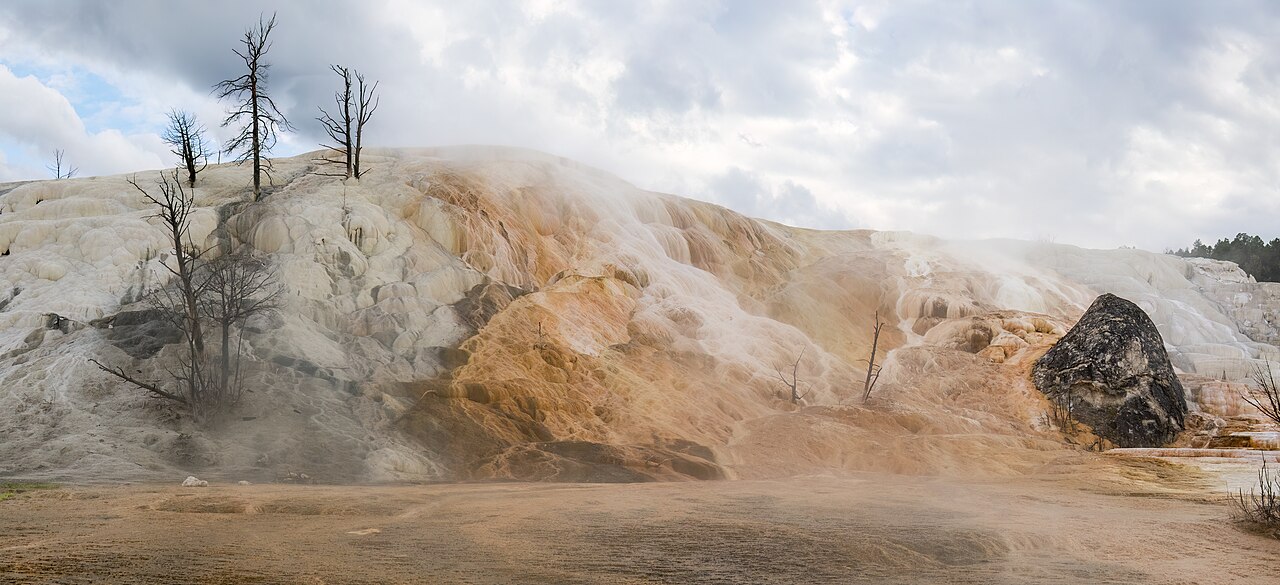
Mammoth Hot Springs
A mountain turning itself inside out — travertine terraces of white, cream, and burnt orange cascading like a frozen waterfall, with elk lounging on the historic fort's lawns below and boardwalks climbing the living rock.